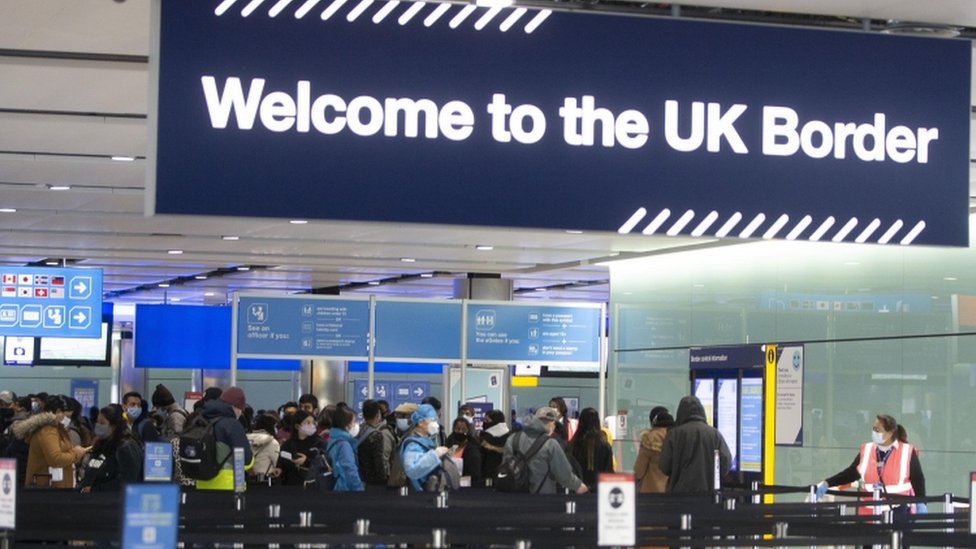
Around 10.7 million people living in the UK were born outside the UK, representing roughly 16% of the total population.
This is the most reliable estimate currently available and is based on the UK Census (2021–2022), which remains the gold standard for measuring how many immigrants actually live in the country.
However, immigration statistics are often misunderstood. Annual headlines about “net migration” don’t tell you how many immigrants live in the UK — they measure flows, not population size.
This guide explains:
- How many immigrants are in the UK
- What “immigrant” means in UK statistics
- How the immigrant population has changed
- Where immigrants live in the UK
- Why different sources quote different numbers
What counts as an “immigrant” in the UK?
There is no single legal definition of “immigrant” used across all UK data.
Most official statistics rely on one of two measures:
Foreign-born population (most common)
This counts people who were born outside the UK, regardless of their current nationality.
This is the definition used by:
- The UK Census
- The Migration Observatory
- Most long-term population studies
Foreign nationals
This counts people who do not hold British citizenship.
This number is smaller than the foreign-born population because many immigrants later become British citizens.
👉 When people ask “How many immigrants are in the UK?”, they are usually referring to the foreign-born population.
How many immigrants are in the UK right now?
Latest reliable estimate
- 10.7 million foreign-born residents
- Approximately 16% of the UK population
This figure comes from the 2021–2022 Census, the most comprehensive population dataset available.
While migration flows changed significantly after the pandemic, no newer dataset has replaced the Census for accurately counting how many immigrants live in the UK.
Immigration vs net migration: why the numbers get confusing
A common source of confusion is the difference between:
- Immigration – people arriving in the UK
- Emigration – people leaving the UK
- Net migration – immigration minus emigration
- Immigrant population – how many immigrants live in the UK
For example:
- Net migration can fall sharply in a given year
- But the total immigrant population can still remain high
This is why headlines about “falling net migration” do not mean there are suddenly fewer immigrants living in the UK.
How has the immigrant population changed over time?
Long-term trend
- In 2004, around 8–9% of the UK population was foreign-born
- By 2021–2022, this had increased to around 16%
That means the number of immigrants living in the UK has almost doubled over two decades.
Key drivers
- EU enlargement in the mid-2000s
- Long-term non-EU migration
- Post-Brexit changes to the immigration system
- International students and work visas
- Global events such as COVID-19
While annual inflows rise and fall, the overall trend has been upward.
Where do most immigrants live in the UK?
Immigrants are not evenly distributed across the UK.
Areas with the highest immigrant populations
- London – over 40% of residents were born outside the UK
- South East England – the second-largest immigrant population
Together, London and the South East account for nearly half of all immigrants in the UK.
Areas with the lowest immigrant populations
- North East England
- Wales
- Northern Ireland
These regional differences matter for employers, housing, public services, and workforce planning.
Which countries do immigrants in the UK come from?
The most common countries of birth among immigrants living in the UK include:
- India
- Poland
- Pakistan
- Romania
- Ireland
These five countries alone account for around one-third of the UK’s foreign-born population.
Why different websites quote different numbers
If you’ve seen figures ranging from 9 million to over 11 million, that’s because sources may be using:
- Different years
- Different definitions (foreign-born vs foreign nationals)
- Survey estimates rather than Census data
- Net migration instead of population totals
For SEO and accuracy, Census-based foreign-born population figures are the most defensible answer to the question “How many immigrants are in the UK?”
Why this matters for employers and policymakers
Immigration numbers directly affect:
- UK labour supply
- Skilled worker shortages
- Sponsorship demand
- Visa policy decisions
At Borderless, we see this play out daily in employer demand for:
- Skilled Worker visas
- Health and Care Worker visas
- Sponsor licences
- Immigration cost forecasting and compliance
Understanding the scale and distribution of immigration helps businesses plan hiring more effectively.
FAQs
How many immigrants live in the UK?
Around 10.7 million people living in the UK were born outside the UK, representing about 16% of the population.
Is net migration the same as the number of immigrants?
No. Net migration measures yearly movement in and out of the UK. The immigrant population measures how many immigrants live in the UK.
Has UK immigration increased recently?
Long-term, yes. Short-term net migration has fluctuated, but the overall foreign-born population has grown steadily over the past two decades.
Automate Home Office Audits with Borderless
The Borderless platform provides a centralized system for all sponsorships, automating reminders for key tasks and ensuring best practices across your organization, simplifying audit preparation and ongoing compliance.