

Right to Work in 2026: Share Codes & eVisas

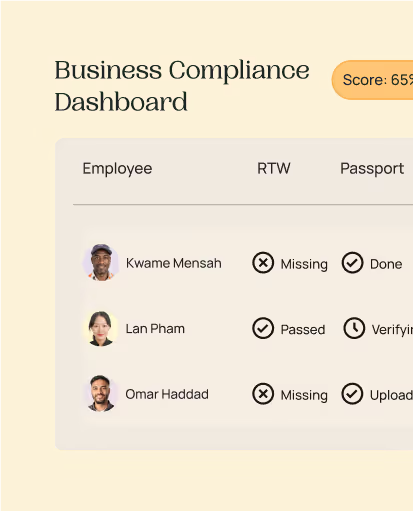
From January 2026, Biometric Residence Permits (BRPs) are no longer valid for right to work checks. Physical vignette stickers are being phased out. The UK has completed its transition to a fully digital immigration system — and if your HR team is still relying on outdated methods, you may be unknowingly leaving your organisation exposed to civil penalties of up to £60,000 per worker.
This webinar cuts through the confusion and gives you a practical, plain-English walkthrough of everything you need to know about the new right to work landscape — including the updated Home Office Code of Practice published in June 2025.
Key learnings include:
- What eVisas are and why BRPs can no longer be accepted — even if the immigration permission they represent is still valid
- How share codes work: generating, sharing, and verifying a 9-character alphanumeric code via gov.uk/view-right-to-work
- The three prescribed methods for conducting a right to work check and why using the wrong one voids your statutory excuse
- What the June 2025 updated Employer's Guide to Right to Work Checks means for your day-to-day HR processes
- When to use the Employer Checking Service (ECS) and how to record the outcome correctly
- Common mistakes that lead to civil penalties — and how to build a compliant, audit-ready checking process
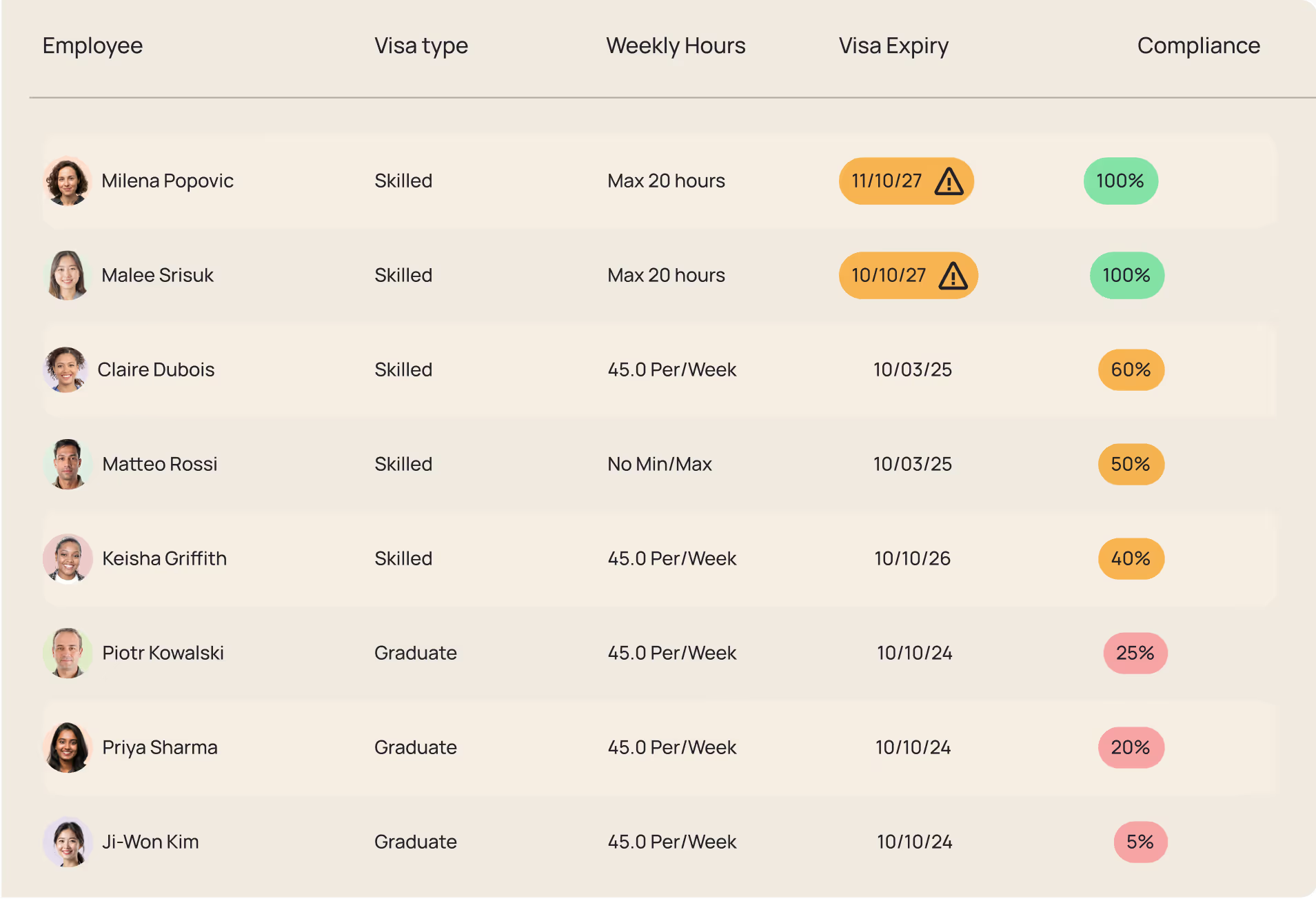
- How the new Code of Practice interacts with your sponsor licence duties under Appendix D
Who should attend: Essential for HR managers, people & compliance teams, operations leads, and any employer holding or applying for a Skilled Worker sponsor licence.
Meet the speakers


Why Borderless









.png)



.avif)
